
Green Burial
Green Burial
According to the 2024 NFDA Consumer Awareness and Preferences Survey, 68% of respondents expressed interest in green funeral/natural burial options. Therefore, when discussing green burials and/or green funerals, defining what “green” means to everyone involved is important.In a “purist” natural or green burial, the body is buried, without embalming, in a natural setting. Any shroud or casket that is used must be biodegradable, nontoxic and of sustainable material. Traditional standing headstones are not permitted. Instead, flat rocks, plants or trees may serve as grave markers. Some cemeteries use GPS to mark the locations of gravesites. A “natural or green burial” may also simply mean burial without embalming, in a biodegradable casket without a vault, when permitted by a cemetery.
Hybrid, natural and conservation cemeteries choosing to follow the basic guidelines of green burial fall under the general category of green cemeteries, as opposed to conventional-lawn cemeteries that require concrete or plastic vaults or liners, allow embalmed bodies, and allow exotic wood or metal caskets.
Natural burial grounds, cemeteries and preserves all seek to bury without impediment. That means no embalming, no liners or vaults, and using biodegradable containers, whether caskets, shrouds or nothing at all. These cemeteries are operated by a variety of owners: municipal governments, religious groups, individuals, nonprofits, for-profits and others. Often these burial grounds are designated natural because they may not be directly affiliated with or in partnership with a land trust or other conservation entity; but they most likely are committed to following conservation best practices, nonetheless.
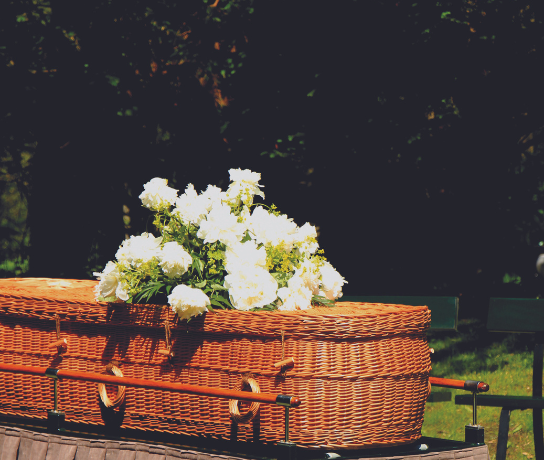
In a green burial, the deceased is interred directly in the earth without a concrete vault or metal casket.
Biodegradable materials, such as wooden caskets or shrouds, are used.
The goal is to allow the body to decompose naturally and return to the soil.
Many green cemeteries and natural burial grounds offer this option.
Q&A
A green funeral incorporates environmentally-friendly options to meet the needs of a family requesting green products, services or burial.
A green funeral may include any or all of the following: no embalming or embalming with formaldehyde-free products; the use of sustainable biodegradable clothing, shroud or burial container; using recycled paper products, locally-grown organic flowers or food; carpooling; arranging a small memorial gathering in a natural setting; natural or green burial.
A green funeral may include any or all of the following: no embalming or embalming with formaldehyde-free products; the use of sustainable biodegradable clothing, shroud or burial container; using recycled paper products, locally-grown organic flowers or food; carpooling; arranging a small memorial gathering in a natural setting; natural or green burial.
In a “purist” natural or green burial, the body is buried, without embalming or a vault, using biodegradable, natural materials, in a natural setting. Types of Services https://www.rememberingalife.com/pages/types-of-services
Any shrouds or caskets used are biodegradable, nontoxic and of sustainable material. With this type of burial, memorial markers are usually limited in type, size and visibility. For example, flat rocks, plants or trees may serve as grave markers; some cemeteries use GPS to mark the locations of gravesites.
To some families, a “natural or green burial” may simply mean burial without embalming, in a biodegradable casket without a vault, when permitted by a cemetery.
Any shrouds or caskets used are biodegradable, nontoxic and of sustainable material. With this type of burial, memorial markers are usually limited in type, size and visibility. For example, flat rocks, plants or trees may serve as grave markers; some cemeteries use GPS to mark the locations of gravesites.
To some families, a “natural or green burial” may simply mean burial without embalming, in a biodegradable casket without a vault, when permitted by a cemetery.
Generally speaking, a green cemetery is a burial site that does not permit vaults, non-biodegradable caskets or the use of embalming chemicals.
Many conventional cemeteries offer green burial options and features, such as sustainable landscape design and natural memorialization, in addition to traditional burial practices. Some green cemeteries are considered natural burial grounds, meaning that outer burial containers, toxic chemicals and non-natural burial containers are altogether prohibited. Conservation burial grounds are run by government agencies in accordance with specific state laws or by non-profit conservation organizations that may or may not be dedicated to eco-friendly practices. Definitions of “green cemetery” vary.
Many conventional cemeteries offer green burial options and features, such as sustainable landscape design and natural memorialization, in addition to traditional burial practices. Some green cemeteries are considered natural burial grounds, meaning that outer burial containers, toxic chemicals and non-natural burial containers are altogether prohibited. Conservation burial grounds are run by government agencies in accordance with specific state laws or by non-profit conservation organizations that may or may not be dedicated to eco-friendly practices. Definitions of “green cemetery” vary.
Yes. A green funeral incorporates available green options. Research green options that local or other state cemeteries may offer.
Note: while the use of vaults (outer burial containers) is not required by federal law, it is often required by many cemeteries. Find out if any cemeteries in your area have begun to offer green burial sections that do not require vaults (in rural areas, vaults or grave liners are usually not required).
Note: while the use of vaults (outer burial containers) is not required by federal law, it is often required by many cemeteries. Find out if any cemeteries in your area have begun to offer green burial sections that do not require vaults (in rural areas, vaults or grave liners are usually not required).
Check first with the cemetery to determine what is allowed, such as:
1. Casket protectors or grave liners that are open on the bottom, such as those used in Orthodox Jewish funerals, so that the body comes into contact with the earth.
2. Using a regular vault that is turned upside-down.
1. Casket protectors or grave liners that are open on the bottom, such as those used in Orthodox Jewish funerals, so that the body comes into contact with the earth.
2. Using a regular vault that is turned upside-down.
In general, cremation is not considered “green” because the cremation process uses nonrenewable fossil fuels, even though a funeral including cremation may use fewer resources than conventional forms of disposition. Cremation also produces airborne emissions. However, cremated remains do not need to be interred in a cemetery, which reduces land use.
1. Refrigeration.
2. Dry ice. Note: there are well-established safety guidelines for handling, storage and ventilation when using dry ice as a preservative.
3. Formaldehyde-free embalming products. Many embalming product suppliers now offer formaldehyde-free products.
2. Dry ice. Note: there are well-established safety guidelines for handling, storage and ventilation when using dry ice as a preservative.
3. Formaldehyde-free embalming products. Many embalming product suppliers now offer formaldehyde-free products.
Educate yourself about the options available to you and your families. Be prepared to discuss the array of green funeral options that your funeral home offers to meet the family’s needs. Help the family create a funeral that is as green as possible.
A green funeral home not only benefits the environment through operating in an environmentally-responsible manner, including the implementation of green business practices, but also use green business practices as a means to market its products and services.
A green funeral home is a healthy place to work that is oriented to the quality of life of its employees and to the greater community in which the funeral home operates. It is committed to environmental stewardship, waste reduction, energy use reduction and efficiency, water conservation, and using environmentally preferable products, among other practices. Its practices attract positive attention in the community as well as draw eco-minded consumers.
Every funeral home should be in compliance with environmental protection, health, and safety laws and regulations, and follow NFDA’s environmental, health, and safety best practices.
A green funeral home is a healthy place to work that is oriented to the quality of life of its employees and to the greater community in which the funeral home operates. It is committed to environmental stewardship, waste reduction, energy use reduction and efficiency, water conservation, and using environmentally preferable products, among other practices. Its practices attract positive attention in the community as well as draw eco-minded consumers.
Every funeral home should be in compliance with environmental protection, health, and safety laws and regulations, and follow NFDA’s environmental, health, and safety best practices.
Use of alternative energy sources for energy efficiency and conservation
Environmentally preferable purchasing
Green construction and remodeling
Green office/workplace practices
Green landscaping
Public advocacy for healthier environment
Energy-saving transportation/fleet practices
Waste prevention, reduction, and recycling
Water conservation/efficiency/quality
Environmentally preferable purchasing
Green construction and remodeling
Green office/workplace practices
Green landscaping
Public advocacy for healthier environment
Energy-saving transportation/fleet practices
Waste prevention, reduction, and recycling
Water conservation/efficiency/quality
Resources
Cremation and Burial Report (2025) – Free to members, available for purchase
When Words Matter: A Funeral Director’s Guide to Clear & Compassionate Communication (2025) – Free download
Green is the New Black (The Director April 2025)
Green Burial Council International
Green Burial Glossary
Conservation Burial Alliance
Types of Services
VA Offering Green Burial Pilot Programs (Connecting Directors)
When Words Matter: A Funeral Director’s Guide to Clear & Compassionate Communication (2025) – Free download
Green is the New Black (The Director April 2025)
Green Burial Council International
Green Burial Glossary
Conservation Burial Alliance
Types of Services
VA Offering Green Burial Pilot Programs (Connecting Directors)

We champion your calling to serve.
Join NFDA today to serve your families even better.