
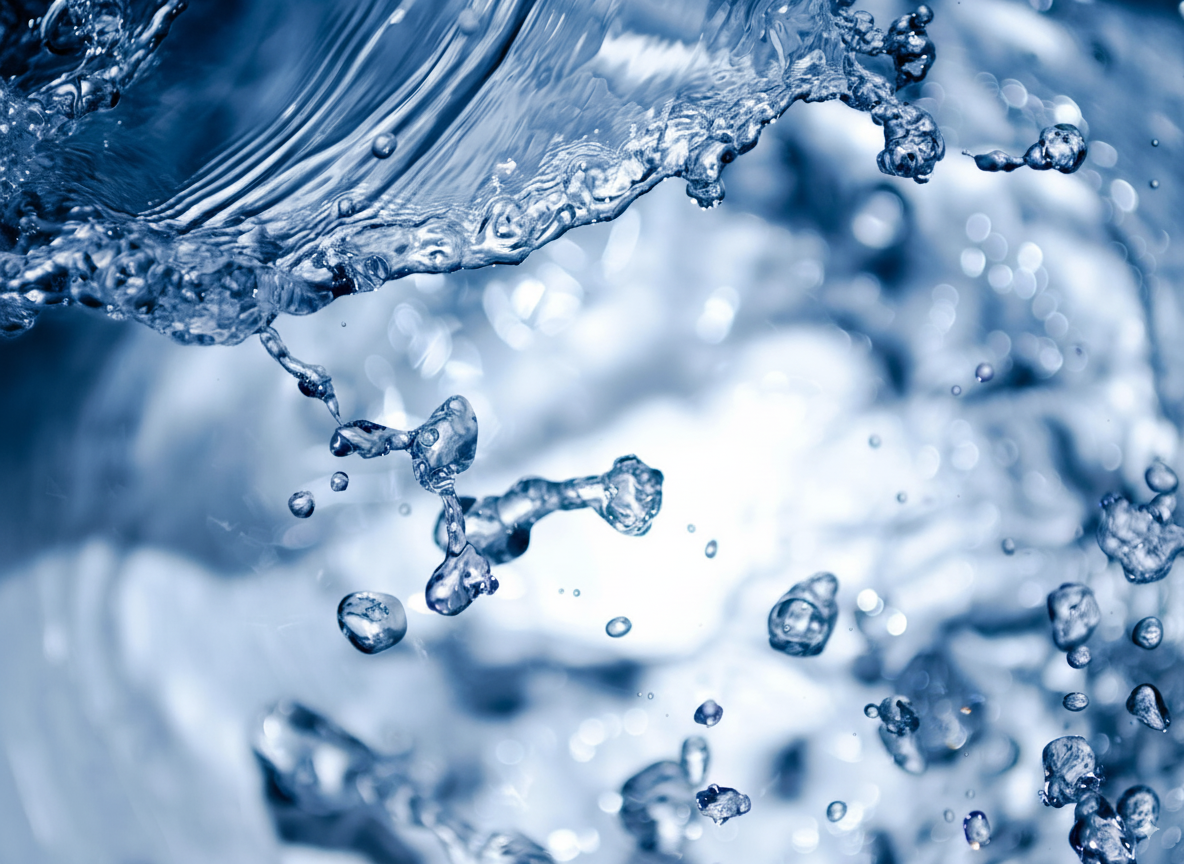
Alkaline Hydrolysis
Alkaline Hydrolysis
Alkaline hydrolysis (also called biocremation, resomation, flameless cremation, aquamation or water cremation) is a process for the disposal of human and pet remains using lye and heat and is an alternative to burial or cremation.• In this process, the body is placed in a specialized chamber filled with water and an alkaline solution (usually potassium hydroxide).
• Heat and pressure accelerate the breakdown of tissues, leaving behind a sterile liquid called “hydrolysate.”
• The remaining bones are processed into a fine powder, similar to cremated ashes.
• Alkaline hydrolysis consumes less energy and emits fewer greenhouse gases than flame-based cremation.
Resources
List of States with Legalized Alkaline Hydrolysis (World
Population Review)
Alkaline Hydrolysis Regulation by State (as of 10/2024)
2024 NFDA Cremation & Burial Report – Free to members, available for purchase
Could Water Cremation Become the New American Way? (Smithsonian)
Population Review)
Alkaline Hydrolysis Regulation by State (as of 10/2024)
2024 NFDA Cremation & Burial Report – Free to members, available for purchase
Could Water Cremation Become the New American Way? (Smithsonian)

We champion your calling to serve.
Join NFDA today to serve your families even better.